Loading...

Electrical components
Electrical system faults account for a significant proportion of tractor downtime across all makes and ages. Older tractors suffer from age-related insulation failure, corroded connectors, and earth continuity problems. Modern electronically managed tractors add complexity through CAN bus systems, electronic control units, and sensor networks that require specialist diagnostic equipment to fault-find effectively. Understanding the difference between a sensor fault, a wiring fault, and a genuine control unit failure is the first step to an efficient repair.
Tractor Alternators and Charging Systems
The alternator maintains battery charge and supplies electrical power to all systems during engine operation. Charging system faults present as a flat battery, a battery warning light, or excessive battery water consumption from overcharging. Before condemning the alternator, test the battery condition and the regulator output , many apparent alternator failures are caused by a failed external regulator or a faulty battery that will not hold charge.
Exchange remanufactured alternators are available for most tractor makes and models and represent the most cost-effective replacement option where the alternator body is undamaged. New alternators are available where exchange units are not listed.
Tractor Starter Motors
Pre-engaged starter motors are the standard design across all current tractor makes. Common failure points are the solenoid contacts (which burn and pit under the high current of starting), the brush set (which wears down to the spring before causing intermittent no-start), and the Bendix drive (which seizes from lack of lubrication or impact damage). All three components are available individually for most starter designs, making a full replacement unnecessary in many cases.
Tractor Switches and Controls
Ignition switches, PTO switches, lighting switches, and position control levers are available for all major makes. A failing ignition switch is a common misdiagnosis on tractors that will not start , the switch controls multiple circuits simultaneously and partial failure affects only some functions, creating apparent faults in the starter circuit, glow plug circuit, or fuel shut-off solenoid independently.
Tractor Sensors and Senders
Temperature senders, oil pressure senders, fuel level senders, and wheel speed sensors are available for most tractor makes. The sensor is the correct starting point for diagnosis when a gauge reads incorrectly , a faulty sender reads incorrectly at all conditions, while a faulty gauge typically reads incorrectly at a specific resistance value. A multimeter reading across the sender terminals while the engine is running distinguishes between the two.
Tractor Wiring Looms and Connectors
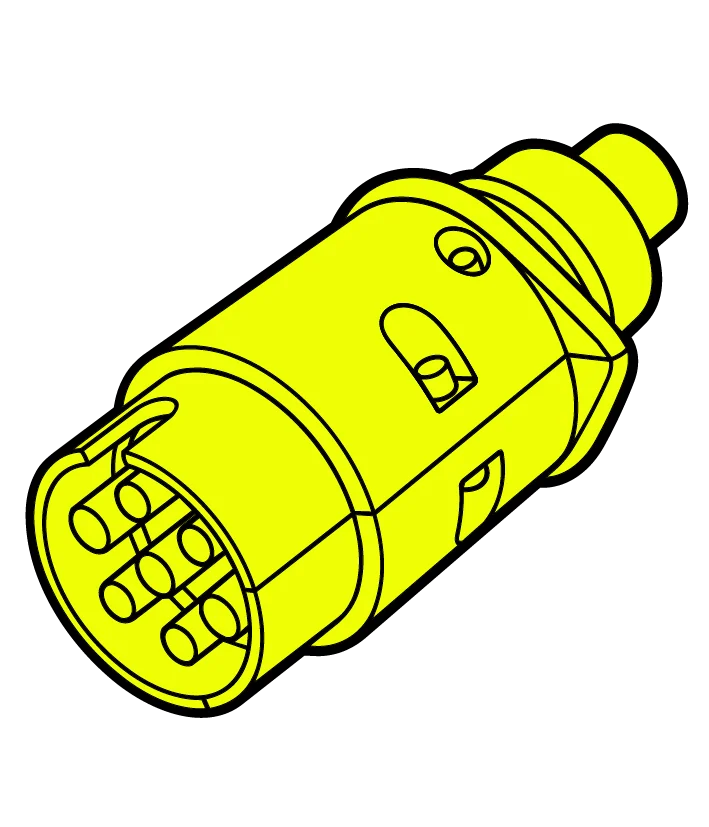
Replacement wiring looms are available for most tractor models as complete assemblies or as individual harness sections. Connector blocks, terminals, and Deutsch and Weatherpack connectors are stocked for loom repair work. Weatherpack connectors are the standard sealed connector on modern agricultural tractors , the correct terminal removal tool is essential to avoid damaging the connector body during repair.
Tractor Batteries and Glow Plugs
Tractor batteries are available in the standard group sizes used across the major makes. Battery capacity in amp-hours and cold cranking amps should match or exceed the original specification , undersized batteries fail prematurely and cause hard starting in cold conditions. Glow plugs are available individually and as sets for all major diesel engine types. Replace as a set , a single failed glow plug causes extended cranking time that accelerates starter motor wear.
Frequently Asked Questions

What are tractor electrical components?
Tractor electrical components are the parts that generate, store and distribute electrical power around a tractor. The main tractor electrical components include the alternator or dynamo, the starter motor, the battery, the ignition switch, solenoids, wiring harnesses, fuses, relays, switches, gauges and sensors.
What electrical components does Nick Young Tractor Parts supply?
Nick Young Tractor Parts supplies a full range of tractor electrical components, including alternators, dynamos, starter motors, solenoids, ignition switches, wiring harnesses, fuses, relays, switches, instrument gauges, sensors, glow plugs and battery components. Stock covers John Deere, Massey Ferguson, Case IH, New Holland, Ford, Fendt, Claas, Deutz-Fahr and other major tractor brands.
What is the difference between a dynamo and an alternator?
A dynamo and an alternator both generate electrical power for a tractor, but a dynamo produces direct current and an alternator produces alternating current that is then rectified to charge the battery more efficiently. Most older tractors were fitted with a dynamo, while alternators became standard on later machines because they charge better at low engine speeds.
Can I convert a tractor from a dynamo to an alternator?
A tractor can be converted from a dynamo to an alternator, which improves charging at low engine speed and supports modern lighting and electrical loads. Nick Young Tractor Parts supplies alternator conversion kits and the associated brackets, pulleys and wiring for popular older tractor models.
What causes a tractor not to start or not to charge?
A tractor that will not start is usually caused by a flat battery, a faulty starter motor, a failed solenoid or a corroded earth connection, while a tractor that will not charge is usually caused by a worn alternator, dynamo or a broken charging wire. The diagnostic sequence is to test the battery and connections first, then the starter circuit, then the charging output.
What is the difference between genuine, aftermarket and reconditioned electrical components?
Genuine electrical components are supplied through the tractor manufacturer's official parts channel and carry the brand's warranty, even where the part is produced by a specialist electrical supplier such as Bosch, Lucas or Iskra. Aftermarket electrical components are produced by independent manufacturers to the same fitment and output specifications, at a lower price point. Reconditioned electrical components are original alternators, dynamos and starter motors that have been stripped, rebuilt and tested before resale by suppliers like Nick Young Tractor Parts.
How do I identify the correct electrical component for my tractor?
The correct electrical component is identified from the tractor's chassis number, serial number, model and the part number stamped on the existing component. Customers send the tractor details and the number from the old alternator, starter or switch to the Nick Young Tractor Parts team, and the parts team matches the correct replacement.
Do you supply electrical components for older and classic tractors?
Nick Young Tractor Parts supplies electrical components for older and classic tractors, including used and reconditioned alternators, dynamos and starter motors stripped from breaking John Deere machines. For Ford, Massey Ferguson, International, David Brown and other classic tractors, the team sources genuine and quality aftermarket electrical components, including Lucas-pattern parts, through the established supplier network.
Can a starter motor or alternator be repaired instead of replaced?
A starter motor or alternator can often be repaired rather than replaced by fitting new brushes, bearings, a solenoid or a rectifier, depending on the condition of the unit. Nick Young Tractor Parts supplies repair components and reconditioned units for customers who prefer to rebuild rather than replace, which is usually more cost-effective on older machines.

Get a Quote for
Get a Quote for